Home remodeling Webster Groves, MO can help you make better use of your space without the stress of moving.
Small siding problems may seem easy to ignore, but they can lead to bigger home repairs. Cracks, loose panels, and peeling paint can let water enter your walls. Over time, this can cause wood rot, mold, and damage to your home’s structure. Working with siding contractors Saint Louis MO homeowners can trust may help you catch these issues before they get worse. Even a small gap can allow rain and moisture to reach areas that should stay dry. Early repairs can help protect your home, improve its look, and save money over time. Knowing the warning signs can help you decide when to call a siding professional.
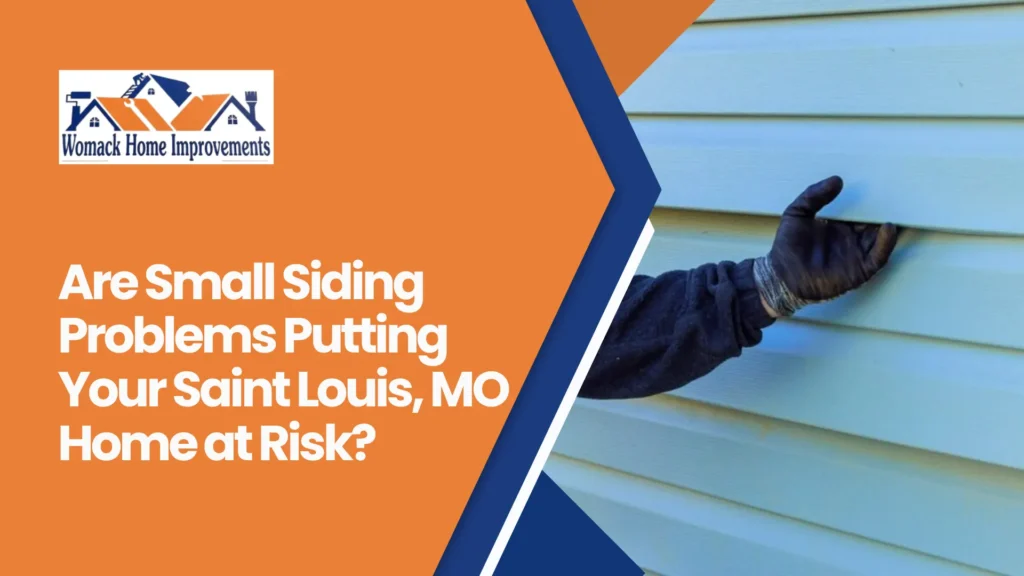
Your home’s siding does more than improve its appearance. It helps protect the walls from rain, wind, and changing temperatures. When siding starts to fail, your home may become more open to moisture and air leaks.
Many homeowners wait until the damage becomes easy to see. However, early signs often appear long before major problems develop. A loose panel or small crack may be a sign that your siding needs attention. Homeowners looking for siding companies Saint Louis MO should pay attention to these common warning signs:
Fixing these problems early may help prevent costly repairs. It can also help keep your home safe, dry, and comfortable throughout the year.
Homes in Saint Louis face changing weather throughout the year. Heavy rain, strong winds, summer heat, and winter cold can all affect siding materials. Over time, these conditions may cause panels to crack, bend, loosen, or fade. Water is one of the biggest concerns. If rain gets behind damaged siding, it may reach the wood beneath it. Wet wood can weaken over time and may become a place for mold to grow.
When searching for siding contractors near me in Saint Louis MO, look for professionals who understand local weather concerns and can inspect the full siding system. A good inspection should check both visible damage and areas where water may enter.
Do not wait for a storm to reveal a problem. Regular checks can help you spot damage before the next round of bad weather.
Not every siding problem needs a full replacement. Some issues can be fixed with a small repair. Others may show that your siding is old, weak, or damaged in several places. The right choice depends on the type of siding, the age of the material, and the amount of damage. A professional inspection can help you understand what your home needs.
Small cracks may look harmless, but they can let rain and insects enter the wall area. If you notice holes or broken panels, arrange an inspection as soon as possible.
A repair may work if the damage is limited to one small area. If cracks appear across many panels, a larger repair or replacement may be worth considering.
Loose siding can happen because of wind, poor fastening, or normal wear. Panels that move away from the wall may allow water to enter behind them. Avoid pulling or forcing the panels back into place yourself. A siding professional can check the fasteners and nearby materials to find the cause.
Peeling paint on wood siding may point to moisture or poor surface protection. Bubbling or damaged surfaces can also mean that water is getting into the material.
Before applying new paint, find the source of the problem. Covering the damage without fixing its cause may lead to more repairs later.
Damaged siding can affect your home’s exterior protection. Gaps may allow drafts to reach wall cavities, especially when other parts of the home’s insulation or air sealing are weak. If your heating and cooling costs have increased, check for drafts around windows, doors, and exterior walls. Siding may be one part of the problem, but an energy review can help identify the real cause.
Choosing a siding company is an important step in protecting your home. You want a team that explains the problem clearly, offers a practical solution, and uses suitable materials.
If you are comparing vinyl siding companies near me in Saint Louis MO, take time to review each company’s experience and service details. The lowest price may not always provide the best value. Look for a company that offers:
Ask questions before work begins. Find out what materials will be used, how long the job may take, and whether any permits are needed. These steps can help you make a choice with confidence. A reliable contractor should explain both the benefits and limits of each option. You should understand the work before you agree to the project.
A quick siding check can help you spot trouble early. Walk around your home and look for changes after heavy rain, strong winds, or major temperature swings. Pay close attention to corners, areas around windows, and the bottom edges of exterior walls. These places may show early signs of gaps, loose panels, or moisture damage.
If you find a problem, take a photo and note where it appears. This can help a contractor understand your concerns during an inspection. Regular care does not mean you must replace your siding at the first sign of wear. It means you can address small issues before they grow into larger projects.
When siding gets damaged, one of the first questions is whether to repair it or replace it. The answer depends on the age of your siding, the size of the damaged area, and the condition of the material beneath it.
Homeowners comparing vinyl siding installers near me Saint Louis MO should ask for an inspection before choosing a service. A clear estimate can help you understand the work needed and avoid paying for services your home does not require.
Repair is often the better choice when the damage is small and limited to one area. Replacement may offer better value when siding is old, damaged in many places, or no longer protects your home well.
|
Service |
Best For |
Cost Factors |
|
Minor siding repair |
Small cracks or loose panels |
Labor, materials, and access |
|
Panel replacement |
Broken or missing sections |
Panel type, color match, and damage |
|
Full siding replacement |
Widespread wear or damage |
Home size, material, labor, and removal |
|
Moisture damage repair |
Water behind siding |
Hidden damage, wood repairs, and drying |
The actual cost depends on your home’s size, siding material, and the amount of damage. Repairs involving hidden rot or water damage may cost more than expected.
Ask for a written estimate that separates labor, materials, removal, and any extra repairs. This makes it easier to compare quotes and understand the total cost.
A small repair may be enough when only a few panels are damaged. It can help you protect your home without replacing siding that still works well. Repair may be a good option when:
However, cheap repairs may not solve the problem if water continues to enter the wall. Ask the contractor to check the cause before starting the work.
Replacement may be the better choice when siding has widespread cracks, severe warping, or repeated moisture problems. It may also make sense when the material is old and replacement panels are hard to find.
If you are comparing vinyl siding contractors near me in Saint Louis MO, ask whether the existing siding can be repaired safely before choosing a full replacement. New siding can improve your home’s appearance and help protect it from weather. Still, it is important to check the wall beneath the old material. Any rot or moisture damage should be addressed before new siding is installed.
Siding panels should fit together as designed. If they look uneven, overlap poorly, or pull away from the wall, they may need adjustment or repair.
Misaligned siding can happen because of poor installation, loose fasteners, temperature changes, or damage from strong winds. The right fix depends on the siding type and the cause of the problem. Watch for these signs:
If you notice these issues, contact a qualified siding professional. Do not force panels into place, as this may cause cracks or damage the fasteners.
Homeowners in Webster Groves, MO should also check their siding after severe weather. Early repairs can help stop small gaps from becoming larger water entry points.
Getting ready for an inspection is simple. You do not need special tools or building skills to help a contractor understand your concerns.
Start by walking around your home and noting any visible changes. Take photos of cracked panels, loose edges, stains, or areas where water seems to collect. Before the visit, prepare a few questions:
Share any history of leaks or previous siding repairs. This information can help the contractor assess the problem and suggest suitable next steps. A careful inspection should explain what is wrong, why it happened, and which repair options are available. You should never feel pressured to agree to work before you understand the estimate.
Small siding issues can turn into bigger repairs when left untreated. A loose panel, small crack, or open joint may seem minor, but it can leave your home open to rain, wind, and moisture. The best next step is to understand the problem and choose a repair that fits your home’s needs. A professional inspection can help you decide whether a small fix or full replacement makes the most sense.
Womack Home Improvements can be your next point of contact when you are ready to discuss your home’s exterior needs. Whether you live in Saint Louis MO or nearby, paying attention to siding damage can help protect your investment and keep your home looking its best.
Do not wait for a small siding problem to become a costly repair. Contact Womack Home Improvements today to discuss your siding concerns and ask about the next steps for your home.
Yes. Cracks can allow water to reach the materials behind your siding. If moisture stays trapped, it may lead to wood rot, mold, or costly repairs. Fixing the problem early can help limit the damage.
In many cases, yes. Small repairs usually cost less because they require fewer materials and less labor. However, widespread damage or hidden rot may make replacement a better long-term option. Request a written estimate before making a decision.
Look for experience, proof of insurance, clear estimates, and strong references. Ask about materials, warranties, and the repair process. A reliable contractor should explain your options without pressuring you into unnecessary work.
Check your siding at least twice a year and after severe weather. Look for loose panels, cracks, gaps, and water stains. If you notice a problem, arrange an inspection rather than waiting for the damage to spread.
Home remodeling Webster Groves, MO can help you make better use of your space without the stress of moving.
When comparing gutter replacement Saint Louis MO options, ask what the quote includes. The lowest price may not cover all...
If you need deck repair near me in Saint Louis MO, it is important to find the cause of the...
When comparing home improvement services Saint Louis MO, ask for clear estimates that explain the work, labor, and possible extra...

Choosing the right bathroom renovation contractors Saint Louis MO homeowners can trust is an important step toward fixing these problems.
The good news is that home improvement services Saint Louis MO can help you make useful changes without starting from...
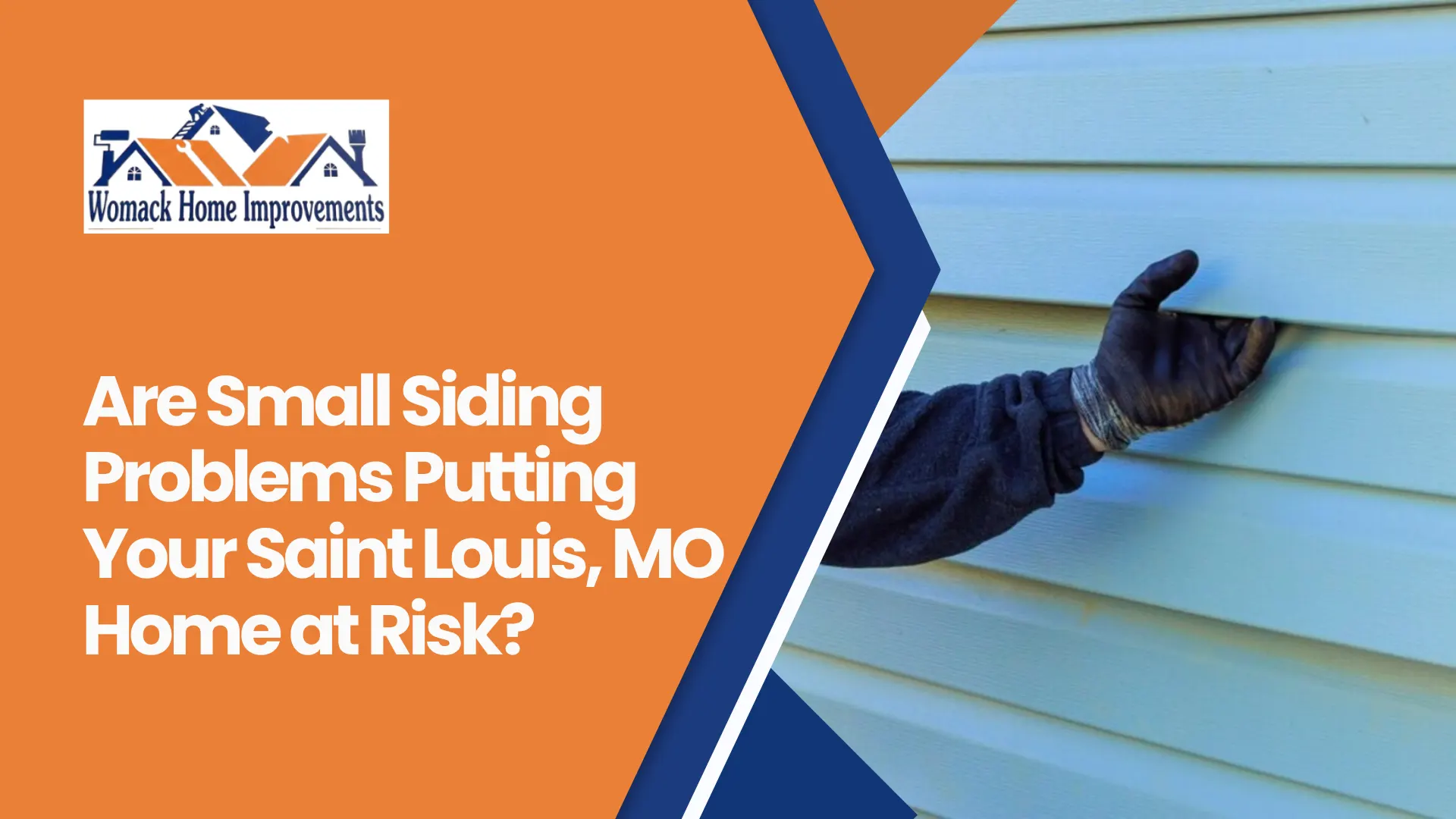
Working with siding contractors Saint Louis MO homeowners can trust may help you catch these issues before they get worse.
With the right home improvements Saint Louis MO homeowners can create spaces that feel better and work well every day.
Choosing the right gutter installation Saint Louis MO service can help protect your home before small drainage issues become costly...

St. Louis’s trusted choice for turnkey remodeling, roofing, decking, siding, and structural repairs. Backed by 23+ years of master craftsmanship and line-item transparency.
Contact us today for a professional consultation and free project estimate.
3651 Connecticut St, Saint Louis, Missouri 63116